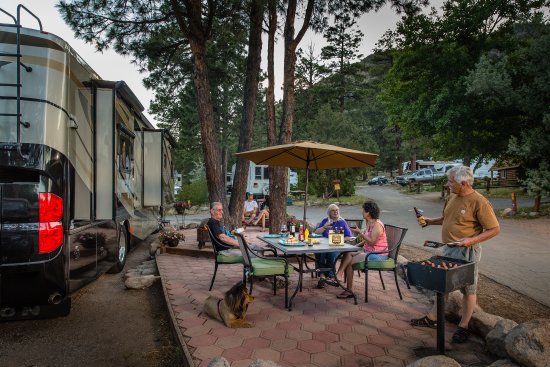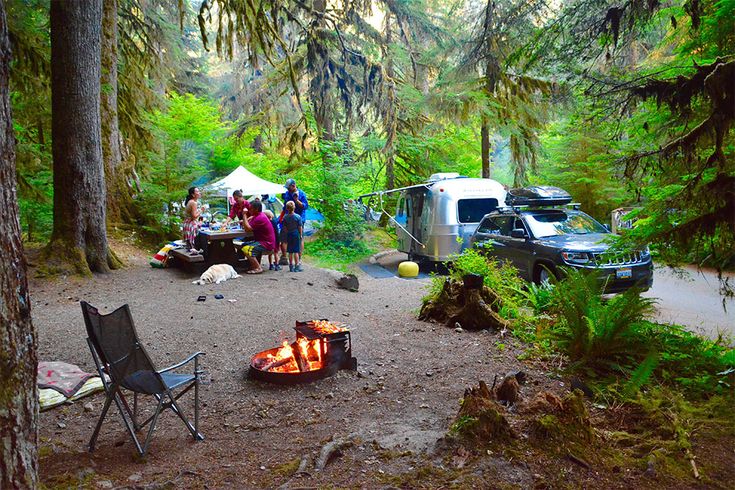
For nature lovers, there is a distinct magic to the Piney Woods of East Texas. It is a region where the dense, sweet scent of loblolly pines fills the morning air, and the quiet canopy creates a sanctuary for some of the most remarkable wildlife in the American South. If you travel with a pair of binoculars on your dashboard and a field guide in your pocket, you already know that finding the right basecamp is essential to an unforgettable birdwatching trip.
Willis RV Resort offers the perfect mix of high-end resort living and immediate access to nature. Spanning nearly 20 acres, the resort features a landscape flanked by two flowing creeks that naturally attract local wildlife.
However, the real adventure begins just outside the resort gates. Located minutes from the sprawling Sam Houston National Forest and the shoreline of Lake Conroe, the park is situated directly within a major avian flyway. From endangered local species to colorful seasonal migrants, the ecosystems surrounding Willis, Texas, offer a world-class experience for birders and hikers alike.
Grab your boots, pack your field guide, and explore the best wildlife hotspots and nature trails waiting for you right around the corner.
The Crown Jewel: Sam Houston National Forest
Covering over 160,000 acres across three Texas counties, the Sam Houston National Forest is the ultimate destination for any outdoor enthusiast staying at the resort. The forest wraps around the Willis area, making it incredibly easy to go from your RV pad to a deep-woods trail in less than fifteen minutes.
The Lone Star Hiking Trail
For dedicated hikers, the Lone Star Hiking Trail (LSHT) is a bucket-list experience. Stretching over 128 miles, it is the longest continuous hiking trail in Texas. The sections near Willis wind through a mosaic of older-growth pine forests, hardwood bottomlands, and quiet creeks.
- What to Look For: This forest is one of the remaining strongholds for the endangered Red-cockaded Woodpecker. Unlike other woodpeckers that nest in dead trees, these birds excavate cavities exclusively in living, mature pine trees infected with red heart fungus. Look for trunks glistening with running white pine resin—a natural defense the birds use to keep climbing snakes away from their eggs.
- Other Avian Residents: As you hike beneath the canopy, listen for the clear, whistling song of the Pine Warbler, the loud hammering of the massive Pileated Woodpecker, and the subtle calls of the Brown-headed Nuthatch.
Winters Bayou Scenic Area
Located on the eastern edge of the national forest, Winters Bayou offers a completely different habitat. This wetland ecosystem features slow-moving bayous, palmetto flats, and towering hardwood trees. The dense, layered understory makes it an exceptional spot to view secretive songbirds and wading species during the spring and fall migrations.
Lake Conroe: Waterbirds and Majestic Raptors
Just a short drive west of Willis RV Resort lies Lake Conroe, a massive 21,000-acre reservoir. While famous for boating and bass fishing, the northern reaches of the lake—where the water meets the national forest—form an incredible wetland habitat for predatory birds and waterfowl.
Cagle Recreation Area
Situated on the northern shoreline of Lake Conroe, the Cagle Recreation Area features paved and natural walking trails that hug the shoreline. It is arguably the best spot in Montgomery County to view large raptors.
- The Giants of the Sky: Bald Eagles nest along the quiet northern bays of Lake Conroe, and it is common to spot them soaring high over the open water or perched on dead snags. During the spring and autumn, Ospreys patrol the lake, diving face-first into the water to catch fish.
- Shoreline Waders: Walk quietly along the shoreline paths to spot Great Blue Herons, Great Egrets, and Little Blue Herons standing perfectly still in the shallows. In the winter months, the lake fills with migratory ducks, including Lesser Scaup, Buffheads, and Ruddy Ducks.
W.G. Jones State Forest: A Dedicated Woodpecker Sanctuary
Located just a brief drive down Interstate 45 near Conroe, the W.G. Jones State Forest is one of the largest working urban forests in the nation. Spanning over 1,700 acres, this highly managed forest is dedicated to environmental education and wildlife conservation.
Because the forest utilizes controlled burning to clear out dense underbrush, it features an open, park-like pine understory. This precise environmental management makes it a premier location to view the Red-cockaded Woodpecker up close.
The forest features several miles of flat, well-maintained loop trails that are easy to navigate for hikers of all skill levels. Along with the woodpeckers, keep an eye out for Barred Owls roosting in the deep shade, Cooper’s Hawks darting through the trees, and a variety of colorful migratory warblers passing through in the spring.
Seasonal Migration: The Central Flyway Advantage
One of the biggest advantages of staying at Willis RV Resort is its placement along the Central Flyway. Every spring and fall, millions of birds travel between their wintering grounds in Central and South America and their breeding grounds in Canada and the northern United States.
Because the Willis area blends dense pine forests, freshwater lakes, and river bottomlands, it serves as a critical rest and refueling stop for these exhausted travelers.
| Migration Season | Primary Species to Watch For | Best Viewing Spots |
| Spring (March–May) | Painted Buntings, Indigo Buntings, Scarlet Tanagers, Baltimore Orioles, Ruby-throated Hummingbirds | Forest edges, resort creek banks, and nature center trails. |
| Fall (September–November) | Broad-winged Hawks, Mississippi Kites, Ruby-crowned Kinglets, American Redstarts | Open ridge lines, clearings in Sam Houston National Forest. |
| Winter (December–February) | American White Pelicans, Bald Eagles, Yellow-rumped Warblers, Cedar Waxwings | Lake Conroe shoreline, Cagle Recreation Area. |
Backyard Birding at Willis RV Resort
You don’t always have to pack up your vehicle to enjoy world-class birdwatching. Because Willis RV Resort is situated on nearly 20 acres and bordered by two natural creeks, a rich variety of wildlife lives right in your backyard.
The flowing water and dense foliage along the resort’s perimeter create a natural travel corridor for local wildlife. Early morning walkers along the resort roads regularly spot white-tailed deer stepping quietly through the mist.
By setting up a simple portable bird feeder or a suction-cup window feeder on your Class A motorhome or fifth wheel, you can attract an array of beautiful native species directly to your campsite. It is common to see brilliant red Northern Cardinals, vibrant Blue Jays, energetic Tufted Titmice, and various species of wrens hopping along the concrete pads and manicured lawns.
Pro-Tips for a Successful East Texas Birding Trip
To make the most of your wildlife excursions around Willis, keep these essential tips in mind:
- Download eBird and Merlin Bird ID: These free apps from the Cornell Lab of Ornithology are invaluable. Merlin can identify birds in real-time simply by listening to their songs, while eBird shows you recent local sightings and hotspots around Willis and Lake Conroe.
- Protect Against Pests: The Piney Woods are beautiful, but they are also home to ticks and chiggers, especially in the tall summer grasses. Always wear closed-toe shoes on the trails, tuck your pants into your socks if hiking deep woods, and use an effective insect repellent.
- Watch the Weather: Bird activity peaks during the early morning hours just after sunrise. During migration seasons, the day after a cold front passes is often spectacular, as favorable winds push massive waves of migrating birds down the flyway.
Frequently Asked Questions (FAQs)
What is the best time of year for birdwatching near Willis RV Resort?
While birding is excellent year-round, the absolute peak times are during the spring migration (late March through early May) and fall migration (September through November). During these windows, you can spot dazzling species like buntings, tanagers, and warblers that do not live in Texas permanently. Winter is also spectacular for viewing bald eagles, pelicans, and migratory waterfowl on Lake Conroe.
Where can I reliably see the endangered Red-cockaded Woodpecker?
The two best locations nearby are the Lone Star Hiking Trail inside the Sam Houston National Forest and the W.G. Jones State Forest. Look for mature pine trees marked with white paint bands (which researchers use to monitor nesting sites) and listen for their distinct, squeaky call-and-response notes.
Are the nature trails around Lake Conroe and the National Forest dog-friendly?
Yes, most trails within the Sam Houston National Forest and Cagle Recreation Area allow dogs, but they must be kept on a leash at all times to protect the local wildlife and nesting birds. Always check specific trailhead signage, as a few highly protected conservation zones may restrict pets.
Do I need a special pass or permit to hike in the Sam Houston National Forest?
While walking the open sections of the Lone Star Hiking Trail is generally free, designated recreation areas like Cagle or Stubblefield Lake require a small day-use fee (typically around $5 per vehicle). If you plan to visit frequently, consider purchasing an America the Beautiful Interagency National Parks Pass, which covers access to all federal recreation sites.
What kind of wildlife can I expect to see right inside the resort?
Thanks to the resort’s natural setting and on-site creeks, guests frequently spot white-tailed deer, gray foxes, raccoons, and squirrels. Birders staying at the park regularly see northern cardinals, blue jays, red-shouldered hawks, and an array of hummingbirds darting through the native landscaping.
Reserve Your Nature Basecamp Today
There is nothing quite like spending a rewarding morning tracking rare birds beneath towering pines, followed by an afternoon relaxing beside a sparkling, resort-style heated pool. Willis RV Resort gives you the space, luxury, and peace of mind you deserve, wrapped in the natural beauty of East Texas.