
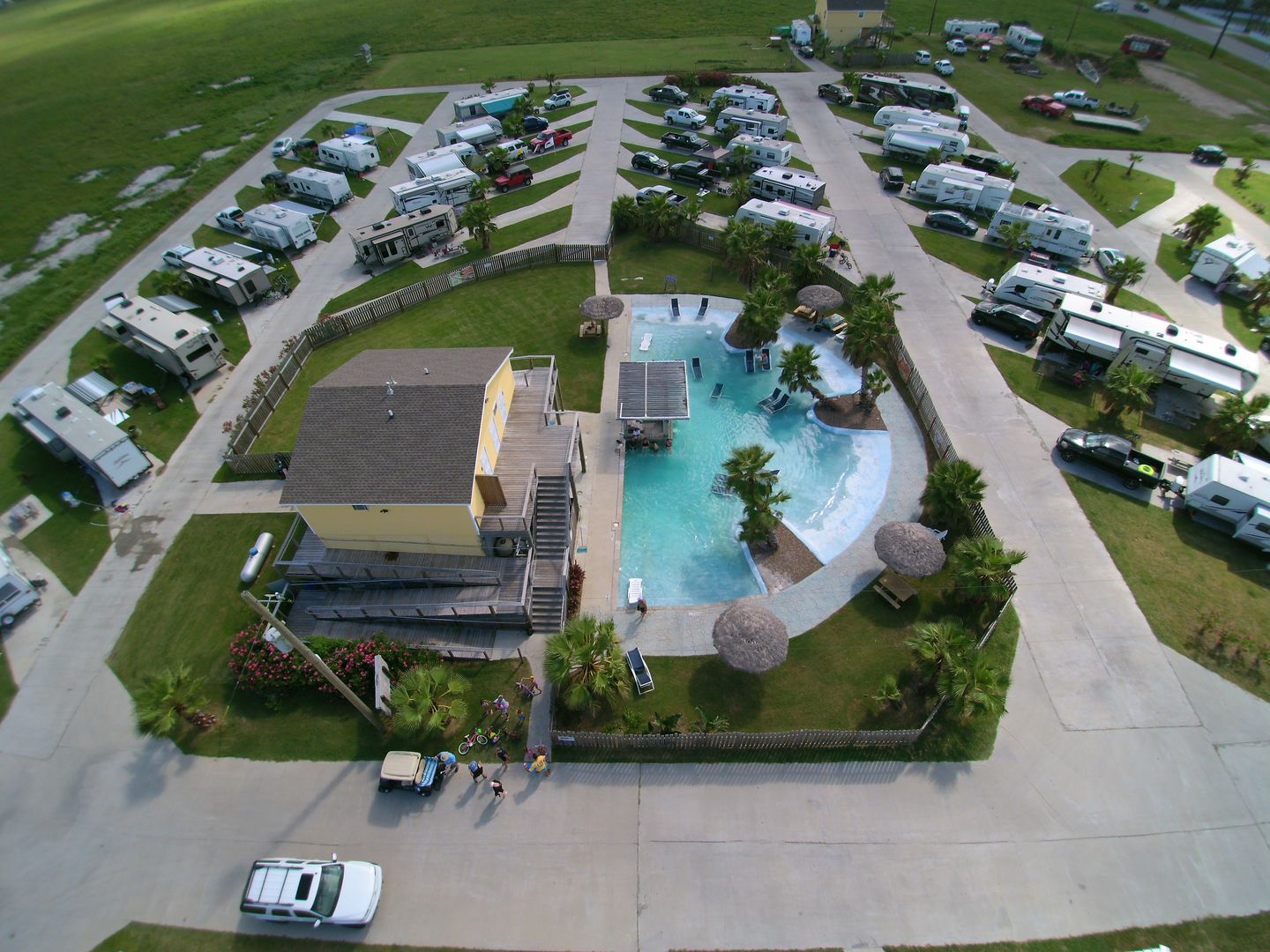
Texas is growing fast—really fast. Cities are expanding, small towns are transforming, and housing demand is climbing every year. In this changing landscape, how RV resorts support housing flexibility in growing Texas communities has become an increasingly important topic. RV resorts like Willis RV Resort are stepping up as practical, flexible, and affordable housing solutions that meet modern needs.
Let’s break it all down in a clear, simple, and people-first way.
Understanding Housing Flexibility in Texas
Housing flexibility means having living options that can adapt quickly to changing population needs. Texas communities face fluctuating demands due to:
- Workforce migration
- Seasonal employment
- Infrastructure projects
- Population booms
Traditional housing can’t always keep up. That’s where how RV resorts support housing flexibility in growing Texas communities becomes a real solution rather than just a concept.
Rapid Growth of Texas Communities
Texas consistently ranks among the fastest-growing states in the U.S. Cities near industrial hubs, highways, and energy corridors are expanding faster than expected. Unfortunately, permanent housing development often lags behind growth.
As a result:
- Rental prices rise
- Housing shortages increase
- Temporary workers struggle to find accommodations
This gap highlights exactly how RV resorts support housing flexibility in growing Texas communities without overburdening local infrastructure.
What Makes RV Resorts a Viable Housing Solution
RV resorts aren’t just for vacations anymore. Today, they’re thoughtfully designed for extended stays and semi-permanent living.
Short-Term Housing Demand
RV resorts meet immediate housing needs for:
- Traveling professionals
- Emergency response teams
- Seasonal workers
They provide instant availability, which is essential in fast-growing areas.
Long-Term Housing Options
Many residents stay for months or even years. Modern RV resorts offer:
- Full hook-ups
- High-speed internet
- Laundry and recreational facilities
This long-term adaptability is central to how RV resorts support housing flexibility in growing Texas communities.
Role of Willis RV Resort in Community Growth
Willis RV Resort stands out as a strong example of smart housing support in Texas.
Strategic Location Advantages
Located near major highways and employment centers, Willis RV Resort allows residents to live close to work without long commutes. This proximity eases traffic congestion and reduces stress on city housing systems.
Infrastructure and Amenities
The resort offers:
- Paved sites
- Reliable utilities
- Security features
- Clean shared spaces
These features reinforce how RV resorts support housing flexibility in growing Texas communities while maintaining comfort and safety.
RV Resorts and Workforce Housing
Workforce housing is one of the strongest use cases for RV resorts.
Support for Oil, Gas, and Construction Workers
Texas industries often require skilled labor on short notice. RV resorts provide:
- Immediate move-in options
- Cost-effective living
- Flexible lease terms
This setup ensures projects stay on schedule.
Seasonal and Contract-Based Housing
Short-term contracts don’t mix well with year-long leases. RV resorts bridge this gap perfectly, showing once again how RV resorts support housing flexibility in growing Texas communities.
Economic Impact of RV Resorts on Local Communities
RV resorts don’t just house people—they strengthen local economies.
Boosting Local Businesses
Residents spend money at:
- Grocery stores
- Restaurants
- Service providers
This steady spending supports small businesses year-round.
Job Creation and Tax Contributions
RV resorts create local jobs and contribute property and sales taxes, benefiting public services and infrastructure.
Sustainability and Smart Land Use
Eco-Friendly Living
RV living typically uses less land and fewer resources than traditional housing. Many resorts adopt:
- Energy-efficient systems
- Water-saving practices
Reduced Housing Pressure
By absorbing temporary populations, RV resorts reduce demand for permanent housing, making neighborhoods more stable.
This sustainability angle further explains how RV resorts support housing flexibility in growing Texas communities.
Community Integration and Lifestyle Benefits
Safety and Social Connectivity
Modern RV resorts foster community through:
- Shared spaces
- On-site management
- Organized activities
Residents don’t feel isolated—they feel connected.
Flexible Living for Families and Retirees
Families relocating and retirees downsizing both benefit from flexible, affordable RV living without long-term commitments.
The Future of RV Resorts in Texas Housing
Urban Planning and Zoning Trends
Texas cities are slowly updating zoning laws to recognize RV resorts as legitimate housing partners.
Increasing Acceptance of Alternative Housing
With affordability challenges rising, RV resorts are no longer seen as temporary fixes—they’re strategic solutions.
Experts increasingly agree on how RV resorts support housing flexibility in growing Texas communities for decades to come.
Frequently Asked Questions (FAQs)
Are RV resorts considered long-term housing solutions?
Yes, many RV resorts support extended and long-term stays with full amenities.
How do RV resorts help growing Texas towns?
They reduce housing shortages, support workers, and stimulate local economies.
Is RV living affordable compared to apartments?
In most cases, yes—especially when utilities and amenities are included.
Do RV resorts impact local infrastructure negatively?
No, they often reduce strain by providing self-contained housing solutions.
Who typically lives in RV resorts long-term?
Workers, retirees, traveling professionals, and relocating families.
Why choose Willis RV Resort specifically?
Its location, amenities, and management make it ideal for flexible housing needs. Learn more at an external resource like local housing studies from HUD.
Conclusion
As Texas continues to grow, housing solutions must evolve. Traditional models alone can’t keep up. That’s why how RV resorts support housing flexibility in growing Texas communities matters more than ever.
Resorts like Willis RV Resort offer adaptable, affordable, and community-focused living that benefits residents and cities alike. Simply put, RV resorts aren’t just an alternative—they’re part of Texas’s housing future.