
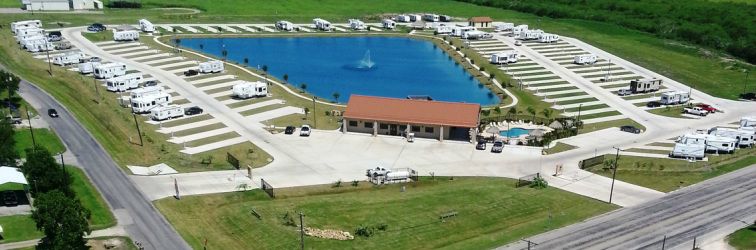
Swimming pools are more than just water-filled amenities — they’re social hubs, relaxation zones, and selling points that can significantly elevate the guest experience at RV resorts. In Texas, where hot summers dominate much of the year, a well-designed pool can make all the difference for guests seeking cool comfort and family-friendly recreation.
When planning or upgrading pool facilities, RV resorts face one major decision: saltwater or chlorine pools? Both options have strong advocates and specific benefits, but which one truly works best for Texas RV resorts — especially in terms of maintenance, guest satisfaction, long-term cost, and climate considerations?
In this comprehensive guide, we’ll dive deep into the comparison between saltwater and chlorine pools and help RV resort owners, managers, and decision-makers — including those at Willis RV Resort — choose the right option for their property.
Understanding the Basics: Saltwater vs Chlorine Pools
What Is a Chlorine Pool?
Chlorine pools use chlorine chemicals (liquid, tablets, or granules) to sanitize water, kill bacteria, and prevent algae growth. This traditional method has been the standard for decades and remains widely used around the world.
What Is a Saltwater Pool?
Saltwater pools generate chlorine through a salt chlorine generator (also called a salt cell). Instead of manually adding chlorine, the system converts dissolved salt into the sanitizing agent needed to keep the water clean.
While both systems ultimately use chlorine to disinfect water, the method of delivery and maintenance differs — and this distinction matters for resort environments.
Guest Experience: Comfort and Perception
Saltwater Pools Feel Softer
One of the most commonly cited benefits of saltwater pools is a gentler feel. Because saltwater pools operate at lower chlorine levels, many guests report:
- Less irritation to eyes and skin
- Reduced “chlorine smell”
- Smoother water sensation
In a resort setting, where guests expect relaxation and comfort, this can be a significant advantage — especially for families, children, and those with sensitive skin.
Traditional Chlorine Pools Are Familiar
Chlorine pools are well understood by most swimmers. Some guests prefer familiar water, and the slightly stronger sanitizing action can feel reassuring — especially in high-use environments like resort pools.
However, for RV resorts hosting diverse groups (including children and seniors), the softer feel of saltwater often enhances overall satisfaction.
Installation and Upfront Costs
Chlorine Pool Cost Factors
Traditional chlorine pools generally have:
- Lower upfront installation costs
- Simpler plumbing and equipment requirements
- No need for specialized generators
For resorts on a tight budget or renovating older pools, chlorine systems may appear more attractive initially.
Saltwater Pool Cost Factors
Saltwater pools typically require:
- Salt chlorine generator systems
- Specialized installation for the generator cell
- Sensors and control systems
These elements increase upfront costs compared to simple chlorine setups. However, many resort owners find that long-term savings offset this initial expense — especially where high guest usage leads to frequent chlorine purchases.
Maintenance and Operational Considerations
Daily and Weekly Tasks: Chlorine Pools
Chlorine pool maintenance often requires:
- Regular testing of chlorine and pH levels
- Manual addition of chlorine chemicals
- Balancing pH and alkalinity
- Monitoring water clarity and algae growth
In busy resort settings, these tasks can consume staff time — especially as usage increases during peak seasons.
Daily and Weekly Tasks: Saltwater Pools
Saltwater systems generate chlorine automatically, which means:
- Less frequent chemical additions
- More stable chlorine levels
- Reduced need for manual chlorine handling
However, saltwater pools still require regular testing of pH, stabilizer levels, and salt concentration. Additionally, the salt cell needs periodic cleaning and eventual replacement (typically every 3–7 years).
Water Quality and Chemical Exposure
Chlorine Pools and Chemical Smell
Standard chlorine pools can produce a strong chemical smell when combined with contaminants like sweat, sunscreen, and urine. These “chloramines” are not only unpleasant but can also irritate eyes and respiratory systems.
Saltwater Pools and Gentler Chemistry
Saltwater pools usually maintain lower chlorine concentrations, reducing chloramine formation and minimizing harsh odors. This can be especially appealing for resort guests who spend extended time near or in the water.
For family-friendly RV resorts in Texas — where pools are used frequently during long summer visits — this improved water environment often enhances guest comfort.
Climate and Weather Factors in Texas
Texas summers are long, hot, and intense. Pool systems at RV resorts must withstand:
- High sun exposure
- Frequent use
- Rapid evaporation
- Heavy rain storms
Saltwater Pools in Hot Climates
Saltwater systems work well in warm climates because they maintain stable chlorine levels despite heat. The automatic generation helps keep sanitization steady, even with high bather loads and hot temperatures.
However, high evaporation can concentrate salt levels over time, requiring management to maintain optimal balance.
Chlorine Pools in Hot Climates
Chlorine pools may need more frequent chemical dosing during hot months because chlorine breaks down faster in sunlight and heat. Without proper stabilization (using cyanuric acid), chlorine levels can fluctuate and compromise water quality.
For RV resorts with heavy summer use, this can increase maintenance demands.
Cost Over Time: Chemicals, Labor, and Equipment
Chlorine Pool Long-Term Costs
Over time, chlorine pools may incur higher operational expenses due to:
- Ongoing purchase of chlorine chemicals
- Frequent pH adjusters and shock treatments
- Labor costs for maintenance personnel
High guest usage often amplifies these costs.
Saltwater Pool Long-Term Costs
Saltwater pools reduce ongoing chemical purchases because chlorine is generated on-site. While salt and occasional cell replacements are needed, many resorts find total maintenance costs are lower over the lifespan of the pool.
Labor savings — due to reduced chemical handling — also contribute to long-term value.
Equipment Longevity and Durability
Salt Cell Lifespan
Salt chlorine generators have a finite lifespan, and salt cells must be replaced periodically. This is a key consideration in long-term budgeting.
However, modern systems are increasingly durable, and replacement costs are often offset by savings in chemical purchases.
Pool Equipment and Surfaces
Saltwater is slightly more corrosive than freshwater with chlorine. This means:
- Metal components (ladders, fixtures) may require corrosion-resistant materials
- Pool surfaces should be chosen with salt exposure in mind
Chlorine pools don’t have salt-related corrosion issues, which can make equipment selection simpler.
Health, Safety, and Environmental Impact
Health Considerations
Both saltwater and chlorine systems disinfect water effectively when properly maintained. However:
- Saltwater pools usually have lower chlorine concentrations
- Chlorine pools can produce strong chemical byproducts if imbalanced
For families, older guests, and frequent swimmers, the softer chemistry of saltwater pools can feel gentler and more enjoyable.
Environmental Impact
Saltwater systems reduce the need for transporting and handling large volumes of chemicals — a benefit for sustainability. However, salt disposal (when draining or replacing water) must be managed responsibly.
Chlorine pools require continual chemical transport, storage, and handling — factors that increase environmental footprint.
Which Option Works Best for Texas RV Resorts?
The answer depends on several factors:
Guest Comfort and Experience
If you prioritize a premium guest experience with fewer odors and softer water, saltwater pools often win.
Operational Budget Over Time
For resorts planning long-term operations with heavy pool use, saltwater systems may offer lower total cost through reduced chemical and labor costs — despite higher initial investment.
Maintenance Staffing
Resorts with limited maintenance staff may benefit from the automated nature of saltwater systems, which require fewer daily adjustments.
Equipment and Material Planning
If your resort’s infrastructure can accommodate corrosion-resistant fixtures and salt-tolerant surfaces, saltwater systems are a strong candidate. If minimizing upgrades to existing equipment is a priority, traditional chlorine systems may be simpler.
Case Application: Willis RV Resort Pool Strategy
Willis RV Resort — like many RV resorts in Texas — serves guests year-round, with peak demand during warm months. Choosing the right pool system affects:
- Guest satisfaction
- Operating costs
- Long-term facility appeal
For Willis RV Resort, a saltwater pool aligns well with the resort’s focus on comfort and quality guest experience. The gentler water, reduced chemical odors, and long-term maintenance advantages support a positive stay for families and travelers alike.
At the same time, planning for robust maintenance practices — including pH management, salt level monitoring, and corrosion-resistant materials — ensures the longevity and safety of pool facilities.
Frequently Asked Questions (FAQs)
Are saltwater pools completely chlorine-free?
No — saltwater pools generate chlorine from salt, but they typically maintain lower chlorine levels than traditional systems.
Do saltwater pools cost more to install?
Yes — saltwater systems generally have higher upfront costs due to equipment like salt chlorine generators.
Which system is easier to maintain?
Saltwater pools require less daily chlorine handling, but both systems require regular testing and monitoring.
Can saltwater damage pool fixtures?
Salt is mildly corrosive, so corrosion-resistant materials (stainless steel, composites) are recommended.
Which pool type is better for hot Texas weather?
Saltwater pools often maintain more stable chlorine levels in heat and heavy use, making them a strong choice for Texas resorts.
Do saltwater pools save money in the long run?
Many resorts find that reduced chemical costs and labor savings lead to lower long-term expenses.
Conclusion
Choosing between saltwater vs chlorine pools is a significant decision for RV resorts — particularly in Texas, where hot, long summers and frequent use make pool amenities a major factor in guest satisfaction. While chlorine pools remain a solid, familiar option with lower initial costs, saltwater systems often deliver enhanced guest comfort, reduced chemical handling, and potentially lower long-term operating costs.
For RV resorts like Willis RV Resort, saltwater pools often strike the best balance between comfort, performance, and sustainable maintenance — making them a smart investment that enhances both guest experience and resort appeal.
If you’re considering pool upgrades or planning new amenities for your resort and want personalized recommendations, I’d be happy to help!