
Texas is experiencing one of the most significant population booms in the United States. The Lone Star State has become synonymous with growth, opportunity, and expansion. This surge in population is not just reshaping urban skylines; it’s also influencing the way people live — including where and how they choose to make a home.
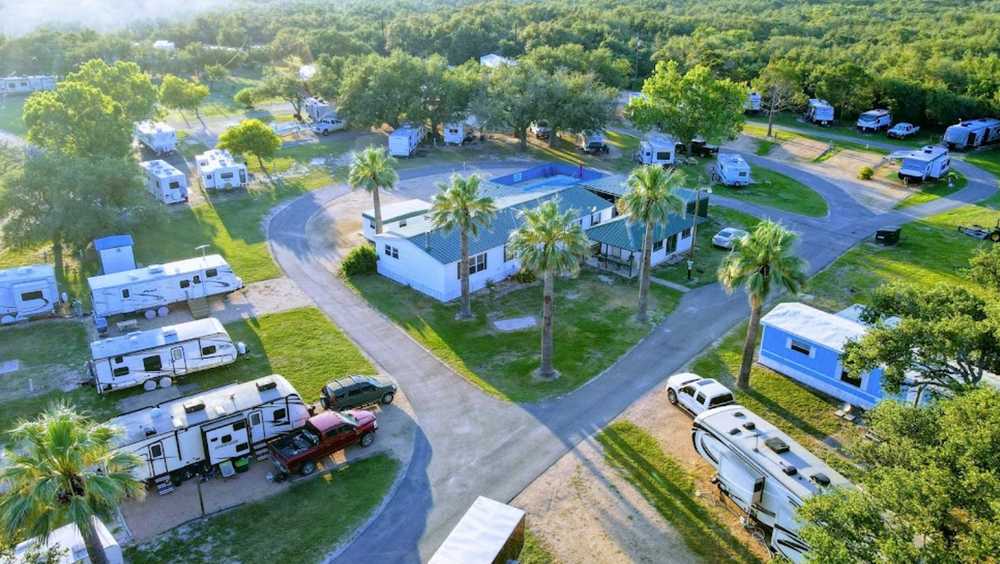
One of the most compelling outcomes of this demographic shift is the rapid development of RV resorts across Texas. Traditionally known as vacation spots or temporary stops for travelers, RV resorts are evolving into desirable residential and lifestyle alternatives — especially as housing needs change.
In this article, we’ll explore how population growth in Texas is driving RV resort development, what this means for the future of housing, and why resorts like Willis RV Resort are at the forefront of this transformation.
Introduction: Texas’s Growth Story
Texas is growing faster than many other states. People are moving in from across the U.S. and beyond, drawn by job opportunities, a lower cost of living compared to some coastal regions, and a business-friendly environment.
This rise in population has broad implications — particularly for housing. As cities like Houston, Dallas, Austin, and San Antonio expand, so does pressure on housing supply and affordability. With traditional options becoming increasingly strained, innovative solutions like RV resort living are stepping into the spotlight.
Understanding Population Trends in Texas
Migration Patterns and Economic Opportunity
Texas’s population growth is fueled by both natural increase (births minus deaths) and migration. People are relocating to Texas for several reasons:
- Job markets in tech, energy, healthcare, and manufacturing
- Lower taxes and cost of living
- Warm climate and cultural diversity
These migration trends contribute to housing demand that traditional markets struggle to meet.
Urbanization and Housing Pressures
As urban areas grow, housing shortages emerge. Rent prices rise, and buying a home becomes more competitive. In response, more people are exploring housing alternatives — including RV living.
RV resorts, especially those in strategic locations near major employment centers, are becoming practical and appealing choices for individuals and families alike.
The Connection Between Population Growth and Housing Demand
Rising Home Costs and Rental Challenges
With more people chasing limited housing inventory, prices go up. According to housing market data, Texas has seen notable increases in both home prices and rent over recent years. This makes traditional housing less accessible for many.
RV resorts provide a cost-effective alternative, letting residents enjoy a quality lifestyle without the debt and high monthly payments tied to conventional homes or apartments.
Alternative Housing Solutions on the Rise
Alternative housing options — such as tiny homes, co-living spaces, and RV resorts — are gaining traction. Among these, RV resorts stand out for their flexibility. People can choose short-term stays, seasonal living, or long-term residency depending on their needs.
This adaptability is key in a fast-changing housing landscape.
What Are RV Resorts and Why They Matter
The Evolution of RV Living
RV resorts aren’t what they used to be. Once simple parking lots with basic hookups, they’ve transformed into vibrant communities with modern amenities like:
- Paved lots and landscaped spaces
- Full utility hookups (water, sewer, electricity)
- High-speed internet and connectivity
- Common areas, clubhouses, and green spaces
These enhancements make RV resorts viable options for extended stays and even year-round living.
RV Resorts as Community Spaces
RV resorts have increasingly become social hubs where residents form friendships, enjoy shared activities, and participate in community events. For many, this community aspect is as valuable as the financial benefits.
Why RV Resort Development Is Expanding in Texas
Affordability and Flexibility
The biggest driver of RV resort development in Texas is affordability. With housing prices climbing, many families, retirees, digital nomads, and seasonal workers find RV resort living more manageable financially.
RV resort sites often cost a fraction of rent or mortgage payments, and residents avoid the burden of property maintenance.
Remote Work and Mobile Lifestyles
The rise of remote work has transformed how people view housing. Without the need to be tied to a single location, many choose mobile lifestyles — and RV resorts offer the perfect blend of comfort, connectivity, and convenience.
RV resort developers are responding by creating spaces that support remote work, including reliable internet access and work-friendly amenities.
Economic Impacts of RV Resort Growth
Job Creation and Local Economies
RV resort development does more than provide housing — it fosters economic growth. Each new resort creates jobs in construction, maintenance, management, and local services.
Local businesses benefit too, as RV residents spend money at nearby stores, restaurants, and service providers.
Tourism Growth and RV Travel
RV travel is booming nationwide, and Texas is a key destination. Resorts that accommodate both residents and travelers tap into two markets at once, further supporting local tourism and hospitality sectors.
Infrastructure and Amenities in Modern RV Resorts
Connectivity and Utilities
Modern RV resorts prioritize connectivity. High-speed internet has become essential, especially as more residents work remotely. Full utility access ensures comfort and convenience comparable to traditional housing.
Community and Recreation Features
Recreation and community are integral. Many RV resorts include:
- Clubhouses
- Fitness facilities
- Walking trails
- Social events
These features enhance quality of life and foster community engagement.
Case Study: Willis RV Resort and Smart Development
Location and Strategic Growth
Willis RV Resort exemplifies how population trends drive thoughtful RV resort development. Positioned to serve both long-term residents and travelers, Willis RV Resort provides a blend of convenience, comfort, and community.
Its location near key transportation routes and employment hubs makes it appealing to families, retirees, and mobile professionals alike.
Balancing Community with Expansion
Willis RV Resort focuses on sustainable expansion — ensuring growth doesn’t compromise resident experience. Thoughtful design, quality amenities, and community-building activities set it apart in a crowded market.
Challenges Facing RV Resort Development
Zoning and Regulation
Despite growing popularity, RV resort development must navigate complex zoning laws and planning requirements. Local regulations vary widely, and developers must work closely with authorities to ensure compliance and sustainable growth.
Long-Term Sustainability
Long-term success requires careful planning. Infrastructure must support increased demand without straining local resources. Sustainable practices like water conservation and renewable energy integration are increasingly important.
Future Outlook for RV Resorts in Texas
Technological Integration
Technology will play a major role in the future of RV resorts. Smart utilities, automated systems, and enhanced connectivity will make these resorts even more attractive for long-term living and remote work.
Sustainable and Inclusive Planning
As Texas continues to grow, inclusive and sustainable planning will shape RV resort development. Resorts that balance environmental considerations with resident needs are poised for long-term success.
Frequently Asked Questions (FAQs)
Why is population growth in Texas driving RV resort development?
Population growth increases housing demand, leading people to seek affordable and flexible living options like RV resorts.
Can RV resorts serve as long-term housing in Texas?
Yes, many RV resorts in Texas support long-term stays with modern amenities and community features.
Are RV resorts affordable compared to traditional housing?
Generally, yes — RV resort living is often more cost-effective than renting or buying a home.
Do RV resorts offer internet and utilities?
Most modern RV resorts provide full utilities and high-speed internet suitable for remote work.
Are RV resorts regulated differently than traditional housing?
Yes, RV resorts must comply with specific zoning and land-use regulations that vary by location.
What amenities can residents expect at RV resorts?
Residents can enjoy utility hookups, connectivity, clubhouses, recreational areas, and social events.
Conclusion
Population growth in Texas is reshaping housing markets and community planning. As cities expand and traditional housing faces pressure, RV resort development has emerged as a dynamic and practical solution.
From affordability and flexibility to community engagement and economic impact, RV resorts like Willis RV Resort are playing a key role in how Texans live, work, and thrive. With thoughtful planning, technology, and sustainability at the forefront, RV resort living will continue to grow — not just as a trend, but as a lasting component of Texas’s housing future.