Texas is changing fast. With booming cities, expanding industries, and a growing population, the state’s housing market is under serious pressure. Traditional housing alone can’t keep up anymore. That’s where RV resorts in Texas are stepping in as a surprisingly powerful solution.
RV resorts are no longer just pit stops for travelers. Instead, they’re becoming flexible, affordable, and community-focused housing alternatives. In places like Willis RV Resort, residents find stability without the high costs tied to conventional housing. As a result, RV resorts in Texas are now part of a much bigger conversation about housing accessibility.
In this article, we’ll explore how RV resorts in Texas are reshaping the housing landscape, why they matter, and what the future looks like for this growing trend.
Understanding Texas’s Changing Housing Market
Population Growth and Housing Pressure
Texas continues to attract new residents from across the U.S. Thanks to job opportunities, lower taxes, and business-friendly policies, cities like Houston, Austin, and Dallas are expanding rapidly. However, housing supply hasn’t kept pace.
This imbalance has pushed many Texans to seek alternatives. RV resorts in Texas offer one such option, especially for individuals who value mobility and cost control. Instead of waiting years for new housing developments, RV living provides immediate relief.
Rising Home Prices and Rental Challenges
Home prices and rents have climbed sharply in recent years. Even modest apartments now come with hefty price tags. For many families, retirees, and remote workers, these costs simply aren’t sustainable.
Because of that, RV resorts in Texas are increasingly viewed as a practical workaround. Monthly site fees are often lower than rent, and residents avoid property taxes and long-term mortgages.
What Are RV Resorts? A Modern Housing Alternative
From Travel Stops to Residential Communities
In the past, RV parks were basic and temporary. Today’s RV resorts are entirely different. They’re designed for comfort, safety, and long-term stays.
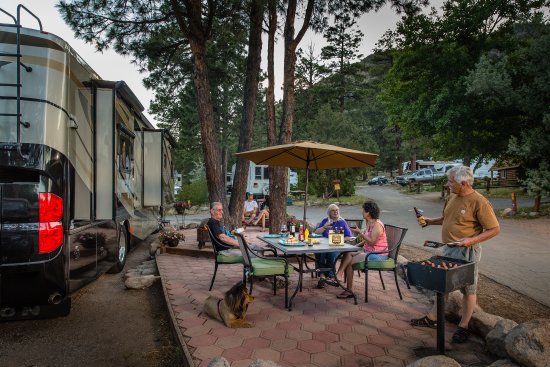
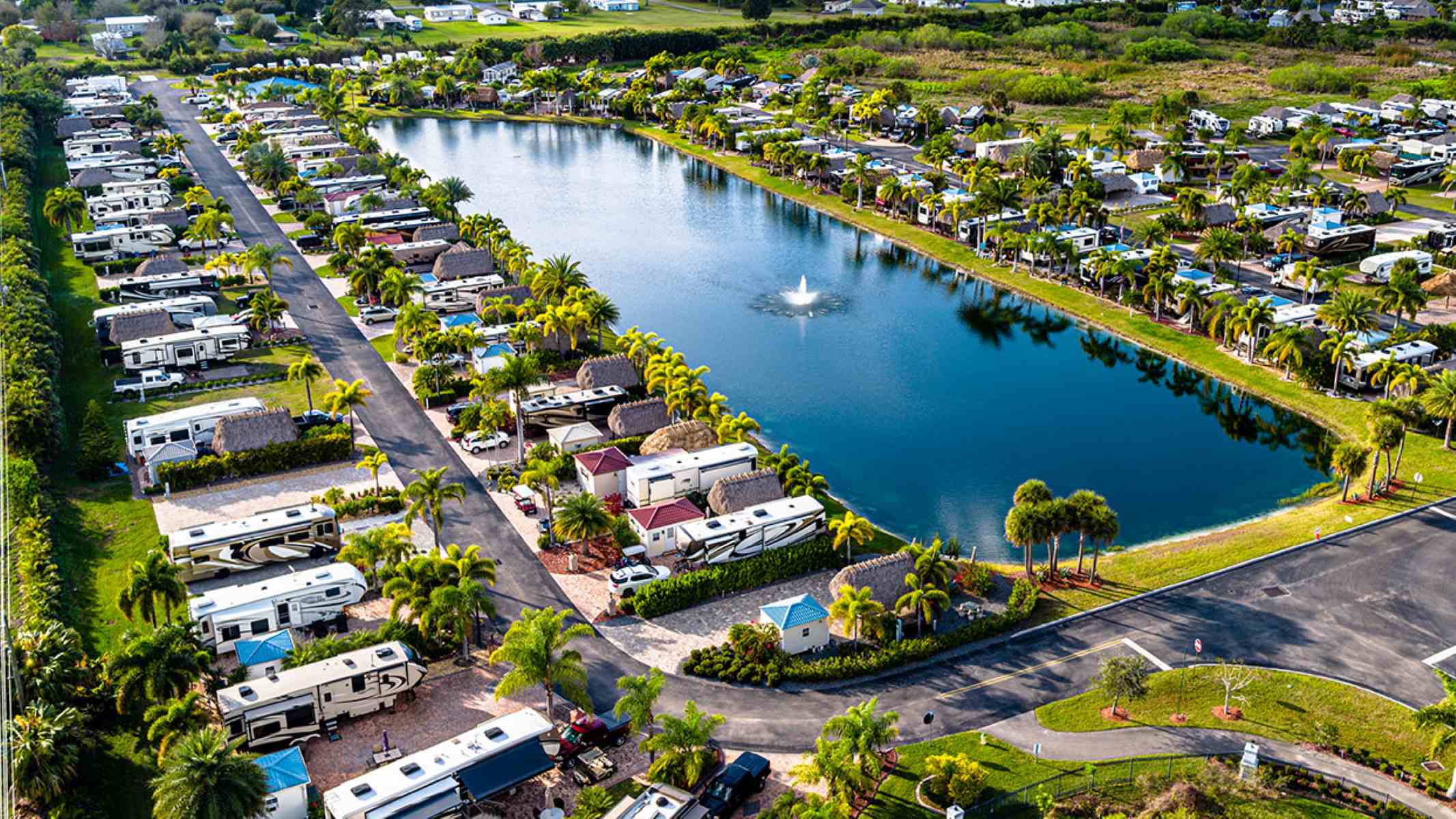
Modern RV resorts in Texas include paved lots, landscaping, gated access, and shared spaces. Many residents treat these resorts as permanent homes, not just vacation stops.
Key Features of Today’s RV Resorts
Most high-quality RV resorts in Texas offer:
- Full hook-ups (water, sewer, electricity)
- High-speed internet and cable
- Clubhouses and recreational areas
- Laundry facilities and bathhouses
- Pet-friendly policies
These features make RV living not just possible—but enjoyable.
Why RV Resorts in Texas Are Gaining Popularity
Affordability Compared to Traditional Housing
Affordability is the biggest driver. RV resorts in Texas allow residents to control costs while still enjoying essential services. There’s no surprise maintenance bill, no rising property tax, and fewer utility headaches.
For retirees on fixed incomes or workers saving for a home, this affordability is a game changer.
Flexibility for Mobile Lifestyles
Texas has a large population of contractors, oilfield workers, nurses, and remote professionals. RV resorts in Texas support this mobile workforce perfectly.
Residents can stay for months, then relocate easily. That kind of flexibility just isn’t possible with traditional leases.
Economic Impact of RV Resorts in Texas
Supporting Local Economies
RV resorts in Texas don’t just benefit residents—they boost local economies too. Residents spend money on groceries, fuel, dining, and services nearby.
According to housing and tourism data shared by the Texas Department of Housing and Community Affairs, alternative housing options help stabilize local markets and encourage sustainable growth.
Job Creation and Tourism Benefits
Beyond housing, RV resorts in Texas create jobs. From maintenance crews to management staff, these resorts contribute to employment. Additionally, short-term visitors support tourism, especially in smaller towns.
RV Resorts as Long-Term Housing Solutions
Seasonal vs Permanent Stays
While some residents stay seasonally, many choose year-round living. RV resorts in Texas now accommodate both lifestyles without friction.
Long-term residents often form close-knit communities, creating stability that rivals traditional neighborhoods.
Community Living and Social Benefits
Community is an underrated benefit. RV resorts in Texas frequently host social events, potlucks, and group activities. This sense of belonging is especially valuable for seniors and solo residents.
Infrastructure and Location Advantages
Proximity to Cities and Work Opportunities
Strategically located RV resorts in Texas, like Willis RV Resort, sit near major highways and employment hubs. Residents enjoy quick commutes without urban congestion.
This balance between access and tranquility is hard to beat.
Utilities, Connectivity, and Amenities
Reliable utilities are essential for long-term living. RV resorts in Texas increasingly invest in upgraded infrastructure, ensuring consistent power, water pressure, and fast internet.
That reliability makes RV living viable even for professionals working remotely.
Regulatory and Zoning Considerations in Texas
Local Government Policies
Texas generally maintains flexible zoning laws, which has allowed RV resorts in Texas to expand. However, regulations vary by county, making compliance and planning essential.
Well-managed resorts work closely with local authorities to ensure safety and sustainability.
Future Development Trends
As demand grows, zoning laws may evolve. Many experts believe RV resorts in Texas will become formally recognized as part of the housing ecosystem.
The Future of RV Resorts in Texas Housing
Sustainability and Smart Development
Sustainability is shaping the future. Solar panels, water conservation systems, and energy-efficient layouts are becoming common in RV resorts in Texas.
These practices align well with Texas’s long-term growth goals.
Role of Resorts Like Willis RV Resort
Willis RV Resort exemplifies the next generation of RV living. By blending comfort, affordability, and community, it reflects how RV resorts in Texas can support evolving housing needs.
Frequently Asked Questions (FAQs)
Are RV resorts in Texas legal for full-time living?
Yes, many RV resorts in Texas allow long-term and full-time stays, depending on local zoning laws.
Is living in an RV resort cheaper than renting an apartment?
In most cases, yes. RV resorts in Texas typically offer lower monthly costs than traditional rentals.
Do RV resorts provide internet for remote work?
Most modern RV resorts in Texas offer high-speed internet suitable for remote professionals.
Are RV resorts safe for families and seniors?
Absolutely. Many RV resorts in Texas are gated and community-oriented, making them safe and welcoming.
Can I stay year-round at Willis RV Resort?
Yes, Willis RV Resort supports long-term stays with full amenities.
Will RV resorts remain a long-term housing solution in Texas?
Given housing trends, RV resorts in Texas are expected to play an increasingly important role.
Conclusion
Texas’s housing challenges require creative solutions. As traditional housing struggles to keep up, RV resorts in Texas have emerged as a flexible, affordable, and community-driven alternative.
From economic benefits to lifestyle freedom, these resorts are no longer fringe options. They’re essential parts of the housing conversation. With thoughtful development and supportive policies, RV resorts—especially leaders like Willis RV Resort—will continue shaping Texas’s evolving housing landscape for years to come.