
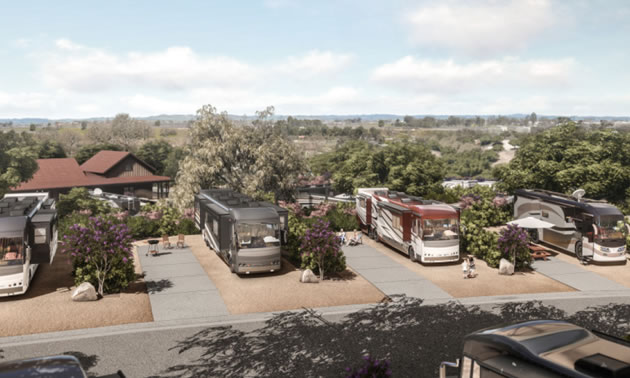
The RV resort industry is booming in Texas. With rising demand for both short-term stays and long-term living, resort owners are looking to upgrade older RV resorts to meet today’s expectations. Older facilities often struggle to keep up with modern guest needs, but with the right construction strategies, these properties can be transformed into vibrant, profitable destinations.
In this comprehensive guide, we’ll walk through successful construction approaches that breathe new life into aging RV resorts across Texas — using practical insights that property owners, developers, and resort managers can apply. Whether you’re managing a legacy site or planning major upgrades at places like Willis RV Resort, these strategies will help you plan, budget, and execute renovations that work.
Understand the Need for Upgrading Older RV Resorts
Texas has experienced significant growth in recent years, and RV resort expectations have shifted accordingly. Today’s travelers and residents want:
- Reliable utilities
- Modern amenities
- Comfortable outdoor spaces
- Safe and attractive infrastructure
Older resorts often lag behind these expectations, making upgrades essential to stay competitive. Construction projects aren’t just about aesthetics — they’re about enhancing safety, guest satisfaction, and business performance.
Conduct a Full Property Assessment
Before breaking ground on any construction project, it’s critical to assess the existing condition of the resort. A thorough assessment should include:
Infrastructure Evaluation
This includes roads, utilities (water, sewer, electrical), drainage systems, and connections. Many older RV resorts in Texas were built before modern standards for utilities and broadband connectivity existed. Upgrading these systems often requires:
- Replacing outdated electrical panels
- Improving sewer connections
- Installing reliable high-speed internet infrastructure
Site Layout and Accessibility
Evaluate the layout of RV sites, common areas, and vehicle circulation paths. Older resorts may have narrow roads or cramped spaces that make navigation difficult. Effective upgrades can improve traffic flow, enhance safety, and increase site capacity.
Code Compliance and Safety
Ensure that older structures meet current building codes, fire safety regulations, and accessibility standards (like ADA compliance). This step not only improves safety but also avoids costly fines or legal issues.
Focus on Utility Upgrades That Matter
Modern guests expect utility reliability and convenience. Here are key strategies for utility upgrades that work:
Water and Sewer Systems
Older systems may suffer from leaks, poor pressure, or outdated hookup designs. Upgrading to modern, efficient systems ensures:
- Reliable water delivery
- Proper waste disposal
- Reduced maintenance issues
In Texas, where summers are hot and dry, dependable water systems are especially important for resident comfort and landscaping success.
Electricity and Power Management
Many older RV sites were designed for minimal electrical demand. Today’s RVs use more power for air conditioning, appliances, and electronics. Upgrades might include:
- Adding higher-capacity power pedestals
- Converting to 50-amp hookups on all sites
- Installing backup power or generators for common areas
Broadband Connectivity
Fast, dependable internet is no longer a luxury — it’s a necessity. Work with local providers or invest in resort-wide Wi-Fi systems that support high bandwidth for streaming, remote work, and communication.
Remodel Roads and Site Surfaces
Good roadways and site surfaces are fundamental to guest satisfaction. Improvements should focus on:
Repaving and Regrading
Older gravel or deteriorating asphalt surfaces create wear on vehicles and detract from the guest experience. Repaving and adding proper grading improves:
- Drainage and erosion control
- Site aesthetics
- Year-round usability
Site Pads and Landscaping
Upgrade site pads with level, compacted materials that promote proper drainage. Attractive landscaping not only beautifies the resort but also creates shaded, inviting spaces for guests to enjoy.
Expand and Improve Amenities
Modern RV resorts succeed by offering more than just a parking spot. Amenity upgrades drive business and improve guest loyalty.
Clubhouses and Community Spaces
Older resorts may lack inviting indoor spaces. Building or renovating a clubhouse can provide:
- Gathering areas for socializing
- Event spaces
- Fitness or recreation rooms
These community spaces make your resort feel more like a destination.
Outdoor Recreation Features
Consider adding or enhancing:
- Walking paths
- Outdoor seating areas
- Dog parks or pet zones
- Sports courts and playgrounds
These outdoor features appeal to families and long-term residents.
Bathhouses and Laundry Facilities
Clean, modern bathhouses and laundry areas are highly valued by guests. Renovating these spaces boosts comfort and perceived value.
Integrate Sustainable Construction Practices
Sustainability is no longer optional — it’s expected. Eco-friendly upgrades benefit both the environment and long-term operating costs.
Energy-Efficient Lighting
Replace old lighting with LED fixtures in parking lots, pathways, and common areas. Solar lighting can reduce utility costs and improve safety.
Water Conservation
Install low-flow fixtures and efficient irrigation systems for landscaping. Consider drought-tolerant plants that thrive in Texas climates.
Renewable Energy Options
Explore solar panels or microgrid solutions to offset electricity costs. Even small renewable systems can provide visible sustainability benefits that appeal to modern guests.
Plan Projects in Phases to Minimize Disruption
Upgrading older RV resorts doesn’t have to shut down operations. Phased construction allows resorts to stay open while improvements are made.
Prioritize Critical Infrastructure
Start with utility systems, safety upgrades, and road improvements. These are essential and can impact guest comfort immediately.
Schedule Amenity Renovations During Low Seasons
Time clubhouse remodels, landscaping projects, or pool upgrades when occupancy is lower to reduce guest inconvenience.
Communicate with Guests
Clear communication about ongoing projects — including expected timelines and benefits — builds goodwill and reduces complaints.
Use Smart Design to Maximize Space and Functionality
Older RV resorts may have inefficient layouts. Smart redesigns can improve flow, capacity, and usability.
Reconfigure Sites and Pathways
Consider reorienting sites to increase privacy and optimize views. Wider roads and clear signage improve safety and navigation.
Add Mixed-Use Zones
Design areas that combine recreational, social, and functional spaces. This can create a richer experience without expanding the resort’s footprint.
Enhance Lighting and Security
Good lighting and clear sightlines make guests feel safer. Consider security cameras, emergency call stations, and well-lit walkways.
Leverage Technology for Management and Guest Experience
Technology upgrades are as critical as physical construction.
Reservation and Check-In Systems
Modern online reservation and self check-in platforms improve efficiency and reduce staff workload.
Mobile Apps and Guest Services
Consider apps that allow guests to:
- View resort maps
- Request services
- Receive notifications about events or upgrades
Monitoring and Maintenance Tools
Smart sensors can alert staff to water leaks, electrical issues, or security breaches before they escalate.
Showcase Success: Willis RV Resort as a Model Upgrade
Willis RV Resort has embraced many of these construction strategies to elevate guest experience and property value. Key focus areas include:
- Modern utility upgrades
- Enhanced site surfaces
- Attractive landscaping
- Expanded community spaces
By prioritizing guest comfort and adaptive design, Willis RV Resort demonstrates how older properties can become competitive, modern destinations in today’s market.
Budgeting and Financing Construction Projects
Upgrading older RV resorts requires careful financial planning.
Establish Clear Priorities
Start with essential infrastructure upgrades before expanding amenities or cosmetic improvements.
Explore Financing Options
Consider:
- Bank loans
- SBA lending programs
- Private investment partnerships
Many communities also offer grants or incentives for infrastructure improvements.
Track ROI
Measure improvements through increased occupancy, higher rates, or guest satisfaction scores to ensure your investment pays off over time.
Address Regulatory and Compliance Challenges
Construction projects must align with local building codes, zoning laws, and environmental standards.
Consult Local Authorities Early
Engage city and county officials before planning major changes. Early planning helps avoid delays and costly redesigns.
Plan for Inspections
Regular inspections keep projects on track and ensure compliance with safety standards.
Conclusion: Upgrade with a Vision for the Future
Upgrading older RV resorts in Texas isn’t just about patching worn-out infrastructure. It’s about reimagining what an RV resort can be — a safe, comfortable, community-focused destination that meets the evolving needs of travelers and residents alike.
From utilities and roads to amenities and technology, construction strategies that work focus on reliability, sustainability, and guest experience. With careful planning, phased execution, smart design, and a clear financial plan, older properties can not only compete — they can flourish.
For owners and operators looking to invest in the future of their resort, the strategies above offer a roadmap for success. Resorts like Willis RV Resort exemplify how thoughtful upgrades can transform legacy properties into industry leaders that attract guests today and long into the future.